Tag: social-media

  • Lauren Eckstein on Turning Political Passion into Action

    Lauren Eckstein on Turning Political Passion into Action

    Getting involved in politics at such a young age can be daunting. You may not be sure where to start or what you can accomplish. Luckily, I got to sit down with Lauren Eckstein, a Political Science Student at Washington University in St. Louis, to learn how she became passionate about political advocacy as a teen.

    Finding a Passion for Politics

    Eckstein was says she was “fortunate” to grow up in a politically engaged household. “My parents introduced me to politics at a young age, with my first political memory being filling out the bubble on my dad’s ballot for Barack Obama in 2008. I did not pay much attention to politics during the Obama years but during the 2016 election is when I truly started to care. This is both due to my past interest in history, as well as recognizing the importance of this election,” she said.

    Turning Interest Into Action

    Eckstein’s transition from passive interest to active engagement happened in 2016. “I truly cared about the politics around me. At the time, everything that was happening was so unprecedented.”

    Using Social Media as a Tool for Change

    For today’s youth, social media can be a powerful tool for activism. Platforms like TikTok allow messages to spread quickly, making them effective for mobilizing people and raising awareness.

    “Social media, especially apps that share content with a large group of people, like TikTok, are a great tool to create real action. I, along with a small group of other Arizona high school students, ran a TikTok account in support of at the time candidate, now Senator, Mark Kelly. By creating content that identifies with people of a similar age group, we were able to turn social media into real action,” Eckstein shared.

    Staying Engaged Without Burnout

    Political work can be overwhelming, making self-care essential. Taking time for yourself is incredibly important! For me it was a bit different during my first campaign as it was during Covid, but now I realize that I need to both work incredibly hard and take time for myself. Communication is key in most issues, and is certainly key here,” she said.

    Advice for Young Changemakers

    Eckstein encourages young people to never underestimate their ability to make a difference. “Don’t think you’re too young to make a difference! Even though you cannot run for office yet, there are so many ways you can become involved. By creating a club at your school, reaching out to a campaign, or educating others you are truly making a difference,” she shared.

    A Success Story: Turning Advocacy Into Impact

    Eckstein has helped start key initiatives that brought together young activists and gave them opportunities to engage in meaningful political work. “In 2020 when Covid started, I helped create the Future Leaders program for the Mark Kelly campaign. With many of these leaders, we later created the Arizona High School Democrats and were able to mobilize students across the entire state, creating social media content and working on campaigns.”

    Final Thoughts

    Eckstein’s story is a testament to the impact young people can have when they take action. Whether through social media, organizing, or direct involvement in campaigns, their voices are powerful. She encourages all young individuals to step up, get involved, and become part of the movement shaping the future.

  • Turning Online Activism into Real Change

    Turning Online Activism into Real Change

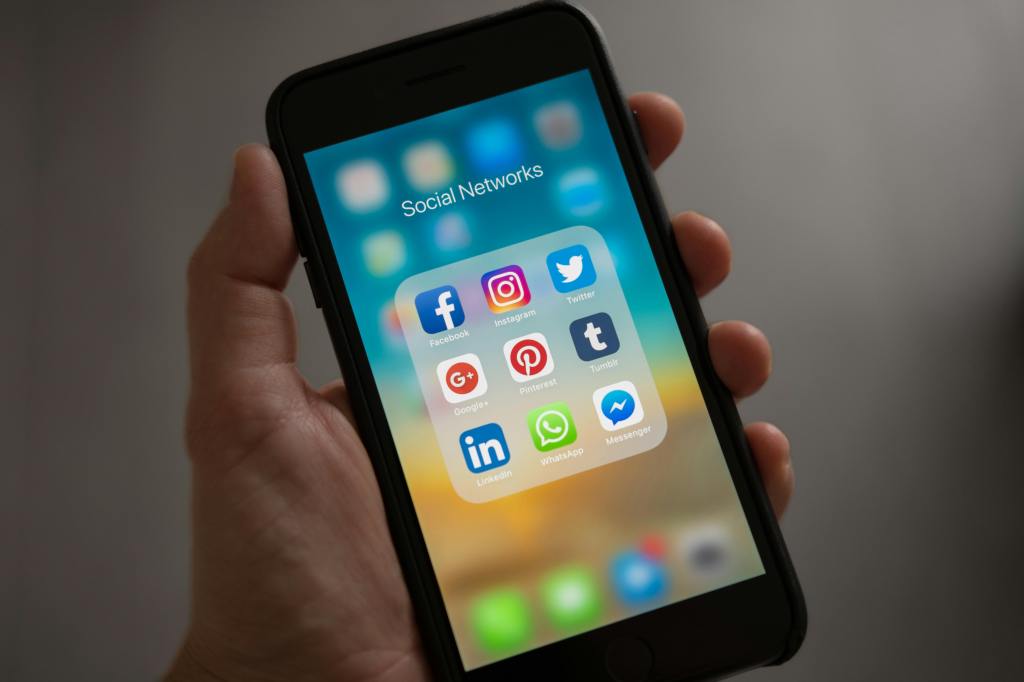
    One of the most impactful changes to activism in the past few decades have been the prevalence of social media. According to a study conducted by the Pew Research Center, 73% of participants believe that access to social media and the internet has made them more informed about current events in their country and in others. Social media is a great tool that can be used for advocacy, but change most often happens beyond the screen. 

    Social media is a great tool to quickly mobilize people, amplify voices, and spread awareness. It is especially useful for young people. One of the best examples of this is the March for Our Lives movement. Started by students in the wake of the 2018 Parkland shooting at Marjory Stoneman Douglas High School, the movement perfectly encapsulates how online activism can spark a national conversation. But lasting change requires steps beyond the online space.

     March for Our Lives began to demand safer schools with strong gun laws. Using social media, the movement has grown out of Parkland and to thousands of students nationwide. But the impact has been felt far outside Instagram. March for Our Lives gained traction through viral videos, hashtags, and social campaigns. Now, they work in courts, on legislation, and through on-the-ground grassroots organizing to make real change. The group helped break youth voter turnout records in 2018, created a White House Office of Gun Violence Prevention under the Biden administration, and passed several gun reform laws in various states. Social media can help spread awareness and build solidarity, but it is only a starting point for tangible change.

    When seeking information online, it is crucial to be well-informed. The internet can be a cesspool of misinformation, and, if you are not careful, it can be easy to fall into a trap. Following credible sources, like NPR or AP News, can be helpful in making sure the information you consume online is accurate. Be cautious about misinformation—especially on social media. Fact-check what you read, and only share verified information. Staying informed strengthens your ability to advocate effectively.

    Real change happens with action. Here are a few ways you can make a difference in your community, beyond your screen.

    • Vote. It is the most powerful way to influence policy. 
    • Join local organizations. Get involved with groups that are working on what you are passionate about.
    • Contact your elected officials. Write, call, or meet with your representatives to make your voice heard. 
    • Volunteer. Help with events that align with your interests.

    Young people have the power to create real change. The March for Our Lives movement is a great example of how social media can help build a movement, but action is required beyond the internet. You can make an impact online and in person. 

  • How to Stay Politically Informed Without Losing Your Mind

    How to Stay Politically Informed Without Losing Your Mind

    I don’t think it is a secret that it is important to stay politically informed. Politics shapes our world and makes an impact on our everyday lives through economic and social policy. However, it would be naive to say staying informed is easy. The constant news cycle is straight-up overwhelming. We have access to so much information at the touch of our fingertips that it can be hard to pay attention without heaping amounts of stress from continuous coverage, social media, and misinformation. It is so crucial that we are able to stay informed without tons of mental fatigue.

    Before you start consuming news, it is important that you choose credible sources. Many organizations produce news content, and many are responsible for the spread of misinformation. It can be hard to determine which news sources are reliable, especially with the influx of misinformation and bias in the past few years. Ad Fontes Media, a public benefit corporation, created the helpful chart below to help media consumers be more informed about where their information is coming from. It labels the bias of media producers, as well as the reliability of their news. 


    I would recommend taking a look at the chart and determining 2-3 sources that you trust, ideally in the green box, which highlights organizations that are the least biased and the most reliable. Two of my personal favorites are NPR and AP. Though you should not take everything these organizations say as gospel, they tend to be more reliable and less biased than many other news groups.

    Now that you’ve chosen some source that you trust, explore the types of content you want to consume. Many of these organizations produce print news, digital journalism, podcasts, etc. Like many young people, I do not receive a physical newspaper. I rely on digital news, podcasts, and videos for my information.

    Podcasts are definitely a favorite of mine. They provide an easy way to integrate mindful media consumption into your daily routine. Whether walking to class, getting ready in the morning, or driving to work, it is rather easy to find time to turn on a podcast. I would recommend NPR’s Up First podcast. Every morning, they provide coverage of three of the biggest news stories of the day. Usually, the episodes are under 15 minutes, making the content super digestible and a quick and easy way to stay informed.

    Though it is always important to stay informed, setting boundaries is just as crucial. According to the American Psychological Association, psychologists are seeing an increase in news-related stress. So don’t be afraid to set some personal parameters. Some boundaries you could set include:

    • Setting specific times to check the news
    • Turning off on-essential news notifications
    • Taking breaks from political news consumption
    • Avoiding news topics that may be overly personal or stressful
    • Being cognizant of your social media usage

    Though none of these boundaries are going to magically make politics less stressful, they can reduce the stress you may carry while following the news. It is important to be a critical consumer of news and stay informed about politics, but don’t forget to give yourself some grace.